The Value of Routine Roof Inspections: Insights From Premier Roofing & Exteriors
Regular roof inspections are essential for homeowners endeavoring to protect their property's worth and safety. Premier Roofing & Exteriors highlights the importance of identifying of potential issues, which can avoid costly repairs. Understanding the common problems and the best practices for inspections can make a substantial difference. Homeowners may wonder about the best timing for conducting inspections and what to expect during them. Examining these considerations can reveal critical insights for proper roof care.
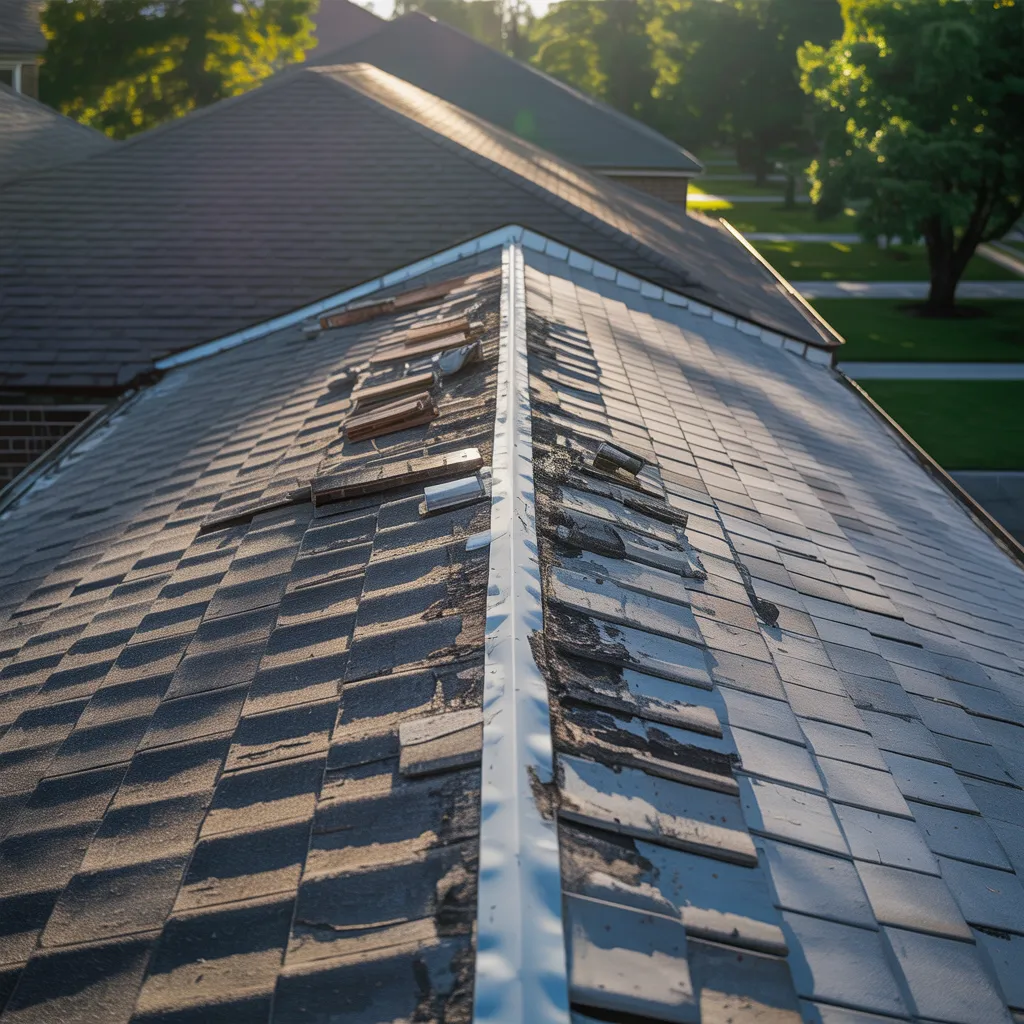
Why Consistent Roof Inspections Are Vital for Homeowners
Although many homeowners tend to underestimate the value of roof inspections, regular assessments are essential to maintaining a home's integrity. Scheduled inspections facilitate the prompt discovery of emerging concerns, helping to prevent costly repairs in the future. Climate conditions, natural aging, and surrounding environmental influences can slowly deteriorate a roof, making consistent inspections essential for long-term durability. Property owners gain an advantage by catching small issues before they develop into major concerns, confirming the roof continues to perform effectively and safely.
In addition, scheduled inspections can boost energy efficiency, as a well-maintained roof prevents air leaks and maintains temperature regulation. This may result in lower energy bills. In addition, most insurance policies necessitate proof of upkeep, making inspections vital for filing claims. In the end, organizing periodic roof assessments instills peace of mind, with confidence that the home is defended against the elements and unforeseen hazards. Prioritizing roof inspections is an investment in the overall safety and value of the property.
Detecting Common Roof Concerns
Regular roof inspections play an essential role in detecting common issues that homeowners may encounter. Over time, roofs can develop complications such as missing shingles, which expose the underlying materials to dampness and potential water damage. Furthermore, damaged or warped shingles may indicate deterioration from age or harsh weather, necessitating prompt attention.
One other common concern involves the buildup of dirt and debris in the gutters, which can cause water overflow and deterioration of both the roof structure and the home's foundation. Homeowners should additionally look for evidence of uneven or sagging areas, as these could indicate structural concerns.
Additionally, the growth of moss, algae, or other organic matter can trap moisture, resulting in further degradation if not addressed. By spotting these typical roof defects in a timely manner, homeowners can mitigate potential damage, protecting the longevity and integrity of their roof structures. Scheduled inspections enable property owners to spot these issues before they become expensive repairs.
Suggested Schedule for Roof Inspections?
How often should homeowners conduct roof inspections? Specialists advise homeowners to inspect their roofs at least two times per year, with the best times being spring and fall. Seasonal changes can impact roof integrity, making periodic inspections critically important. Furthermore, homeowners should arrange for inspections following major weather occurrences, like powerful storms or hail events, which may cause hidden damage.
Ignoring roof inspections can lead to expensive repairs, as minor problems tend to escalate over time. For homes located in areas vulnerable to harsh weather conditions, increased inspection frequency may be necessary. Newly constructed roofs might need reduced inspection frequency at first, but consistent evaluations are still essential, especially as the roof gets older.
What to Expect During a Roof Inspection?
When conducting a roof inspection, a professional carefully evaluates the state of the roof, looking for potential issues and signs of wear. The professional starts by inspecting the roof's surface for damaged or missing shingles, cracks, and other forms of deterioration. They further evaluate gutters, flashings, and downspouts to guarantee adequate functionality and drainage.
Next, the home inspector assesses the roof's structural integrity, looking for irregular or sagging spots that can point to underlying problems. They may also check the attic space for evidence of leaks or moisture, which can lead to mold growth and further damage.
In addition, the evaluation involves evaluating the condition of ventilation units, confirming they are working correctly to eliminate excess heat and moisture accumulation. In conclusion, the inspector compiles their observations, supplying the homeowner with a comprehensive assessment that presents the existing condition of the roofing structure and any guidance for repairs or maintenance.
How to Tackle Common Roof Concerns
Tackling frequent roofing issues requires a preventative strategy to guarantee the durability and protection of the structure. Residents are advised to consistently check their roofs for obvious indicators of wear, such as missing shingles, curling edges, Premier Roofing & Exteriors or discoloration. If leaks are detected, immediate action is essential; closing cracks with proper compounds can stop additional moisture infiltration.
To address clogged gutters, consistent maintenance is critical, as accumulated debris may cause water to pool and accelerate roof damage. In addition, monitoring for moss or algae formation is recommended, as such growth can hold moisture and result in structural decay.
In cases of substantial damage, such as widespread rot or structural problems, it is advisable to consult a professional roofing contractor. Early intervention not only minimizes repair costs but also extends the roof's lifespan. In summary, staying vigilant and addressing these issues promptly is critical for sustaining the integrity of the roof.
The Enduring Benefits of Upholding Your Roof's Integrity
Preserving a roof's condition provides considerable long-term benefits that homeowners ought to keep in mind. Regular upkeep can prevent costly repairs, ensuring that minor issues do not escalate. Moreover, a thoroughly maintained roof can increase its longevity and boost overall energy efficiency, resulting in decreased energy expenses.
Prevent Costly Repairs
Routine roof evaluations can markedly lower the likelihood of costly repairs over time. By detecting minor concerns at an early stage, homeowners can resolve issues before they grow into significant harm. A small leak, for instance, can cause severe water damage and mold growth if neglected. Routine inspections allow for prompt upkeep, which considerably minimizes repair expenses. Additionally, assessments can expose underlying vulnerabilities, such as deteriorating shingles or compromised flashing, ensuring that these issues are rectified promptly. Investing in routine roof evaluations not only protects a home's structural integrity but also improves its overall worth. Therefore, emphasizing regular roof evaluations is a wise financial decision that shields against unexpected expenditures and sustains the property's value over the years.
Maximize Roof Lifespan
Though numerous homeowners fail to recognize the value of roof maintenance, overlooking this essential element can significantly reduce a roof's longevity. Routine checkups and upkeep allow homeowners to catch small problems before they worsen, preserving the roof's structural integrity. With time, weather conditions including UV exposure, precipitation, and snow accumulation can result in progressive damage. Resolving issues like displaced shingles, corrosion, or accumulated debris can avert serious damage requiring expensive repairs or full replacements. By committing to routine inspections, homeowners can guarantee their roofing system remains functional and reliable for years to come. This preventative mindset not only lengthens the roof's serviceable life but also boosts the property's total value, establishing it as a prudent investment in homeownership.
Increase Energy Efficiency
A well-kept roof can greatly enhance a home's energy efficiency, leading to considerable cost savings over time. Routine inspections help uncover concerns such as inadequate insulation or missing shingles, which can cause energy loss. By addressing these problems promptly, homeowners can avoid heat from dissipating in the winter and minimize air conditioning costs in the warmer months. Additionally, a roof in great shape reflects sunlight effectively, reducing the reliance on air conditioning. High-performance roofing materials, commonly advised following inspections, can help maximize overall performance. Ultimately, preserving the condition of the roof not only leads to decreased energy expenses but also supports a greener and more sustainable home. This preventative method guarantees that energy efficiency remains a long-term benefit for homeowners.
Questions We Often Receive
How Much Do Roof Inspections Usually Cost?
Roof inspections typically cost between $100 and $500, based on factors including the home's size, location, and the inspector's experience. A number of companies could offer no-cost inspections as part of their promotional packages.
Is It Possible to Conduct a Roof Inspection on My Own?
Certainly, an individual can carry out a roof inspection on their own. However, they should be mindful and familiar with safety guidelines, as well as associated dangers. Professional evaluations are advised for comprehensive inspections and to uncover underlying problems.
What Qualifications Does a Roofing Inspector Need?
A certified roofing inspector should have industry-recognized certifications, broad experience with roofing systems, knowledge of building codes, and proper safety training. Furthermore, good communication skills are essential for effectively conveying findings and recommendations to property owners.
Is Roof Inspection Coverage Included in Homeowners Insurance?
Homeowners insurance generally does not include coverage for roof inspections, as they are regarded as routine upkeep rather than an insurable event. Policy specifics vary, so homeowners are encouraged to carefully examine their policy terms for a clearer understanding.
How Can I Find a Reputable Roofing Inspector?
To locate a reliable roof inspection professional, one can seek recommendations from family or friends, browse online feedback, and validate certifications through local licensing boards or professional associations to guarantee quality and reliability in the services provided.
Comments on “Premier Roofing & Exteriors by Trusted Professionals”